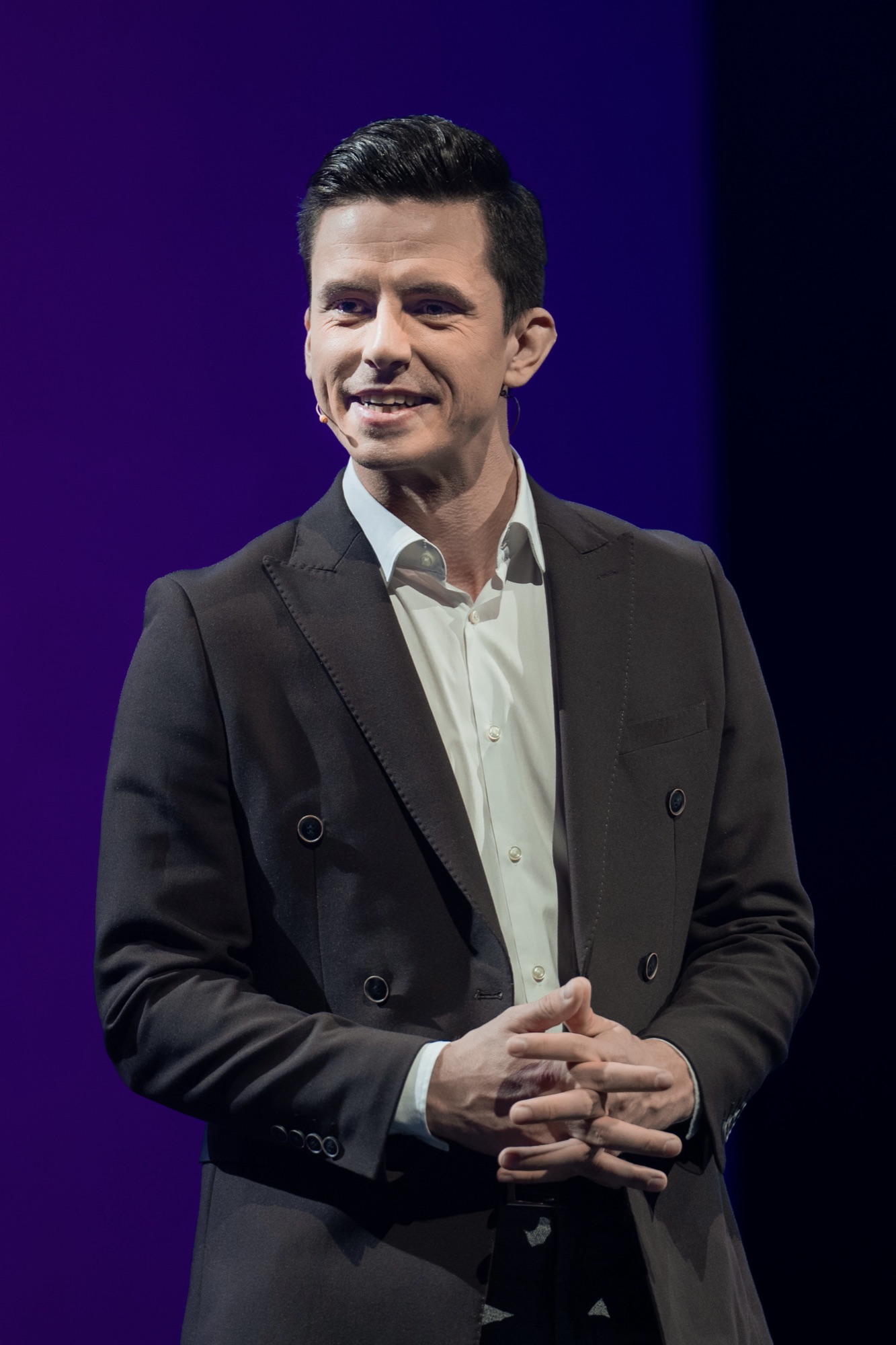
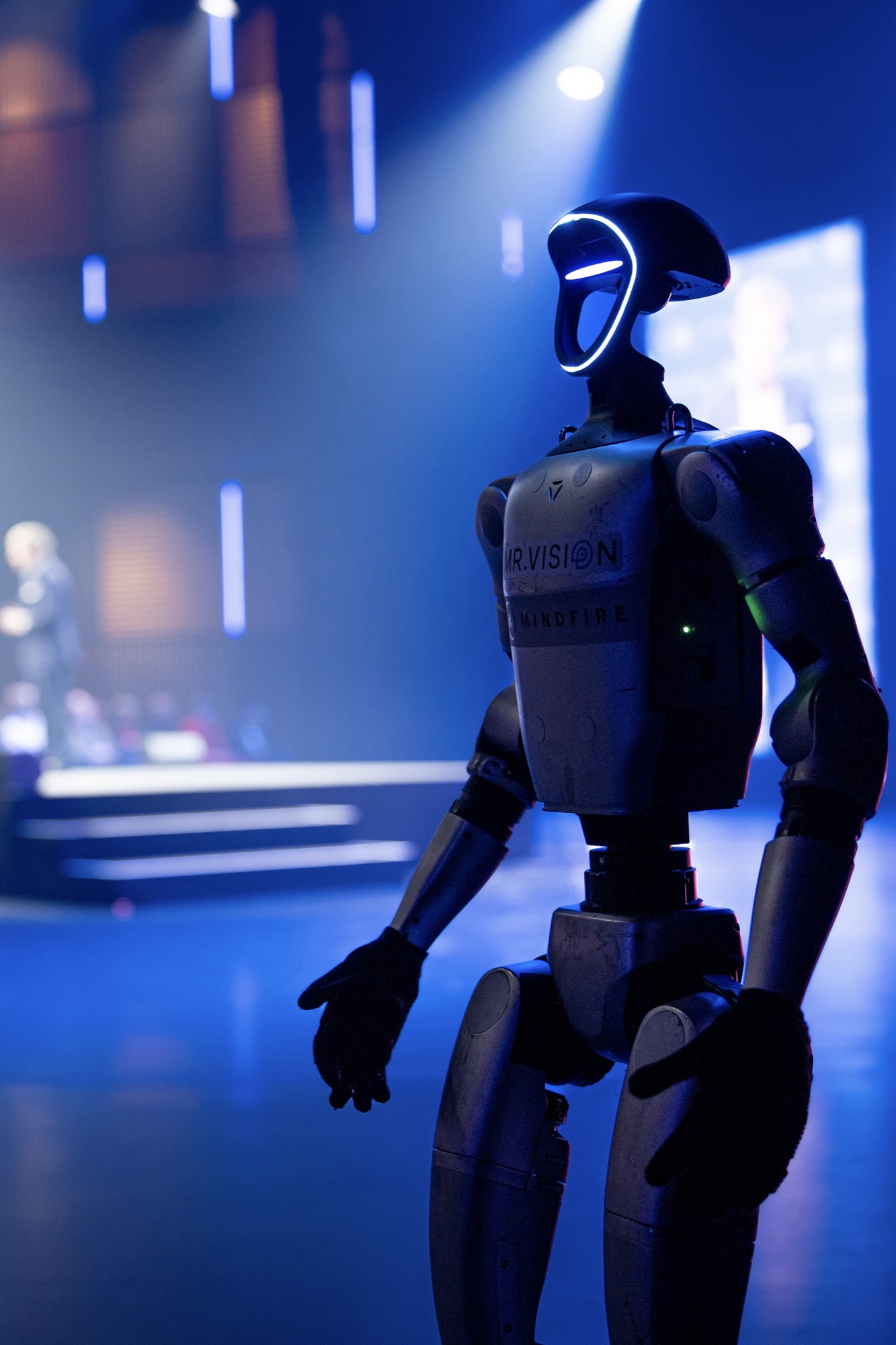
The short version: I lost everything at twenty, bought a company at twenty-two, and built it into a multi-million euro robotics operation.
The long version is below.
Part I — The FallTransylvania, Romania
I grew up on construction sites. My father's company. I studied construction engineering. The plan was always to take over. Learn the trade, grow the business, build a life.
I was twenty when the company went bankrupt and my family lost everything they had built.
There was no plan B. I packed what I could carry and left Romania for a manual labor job in Vorarlberg, Austria. Excavators. Concrete. Rain. Ten hours a day, six days a week. €1,200 at the end of the month.
I was no longer the boss's son. I was just another worker on the site. And for the first time, I saw what the men around me were living through. Work that was repetitive, toxic, and slowly destroying their bodies. Nobody complained. It was just the deal.
Somewhere in that period, I printed the Forbes 30 Under 30 logo off the internet. Taped it to my fridge with a magnet. Looked at it every morning before leaving for the site. Everyone around me thought I'd lost my mind.
Part II — The BreakThen my best friend was diagnosed with cancer. And didn't make it.
I was twenty-one. Alone in a foreign country. Working a job that was going nowhere. My family's future was gone. My closest friend was gone.
Two fractures in the same year. And somewhere in the middle of both, a decision that I can only explain as faith: I am going to build something that matters. Not when I'm ready. Now.
Part III — The Thirty-First BankI found K. Lips AG, a ninety-year-old Swiss company, up for sale. I had no money. No degree. I was twenty-two.
I sent my CV anyway.
The two elderly owners saw something they couldn't explain. They agreed to a structured deal. Bank financing plus an earn-out. One million Swiss francs. Not a single franc of my own money.
But first, I needed a bank to say yes.
The first one said no. The fifth said no. The tenth said no. The twentieth said no. The thirtieth said no. The thirty-first said yes.
I bought the company.
Over eighty percent of my customers couldn't find workers anymore.
When I started visiting factories, I found the same crisis I'd seen on that construction site in Austria, multiplied across an entire industry. Industrial painters had a seventy percent higher risk of lung and bladder cancer. Sixty percent of a factory's CO₂ emissions came from the paint shop. The people doing this work were getting sick, retiring, or walking away. Nobody was replacing them.
I thought: what if you could replace the job and free the person?
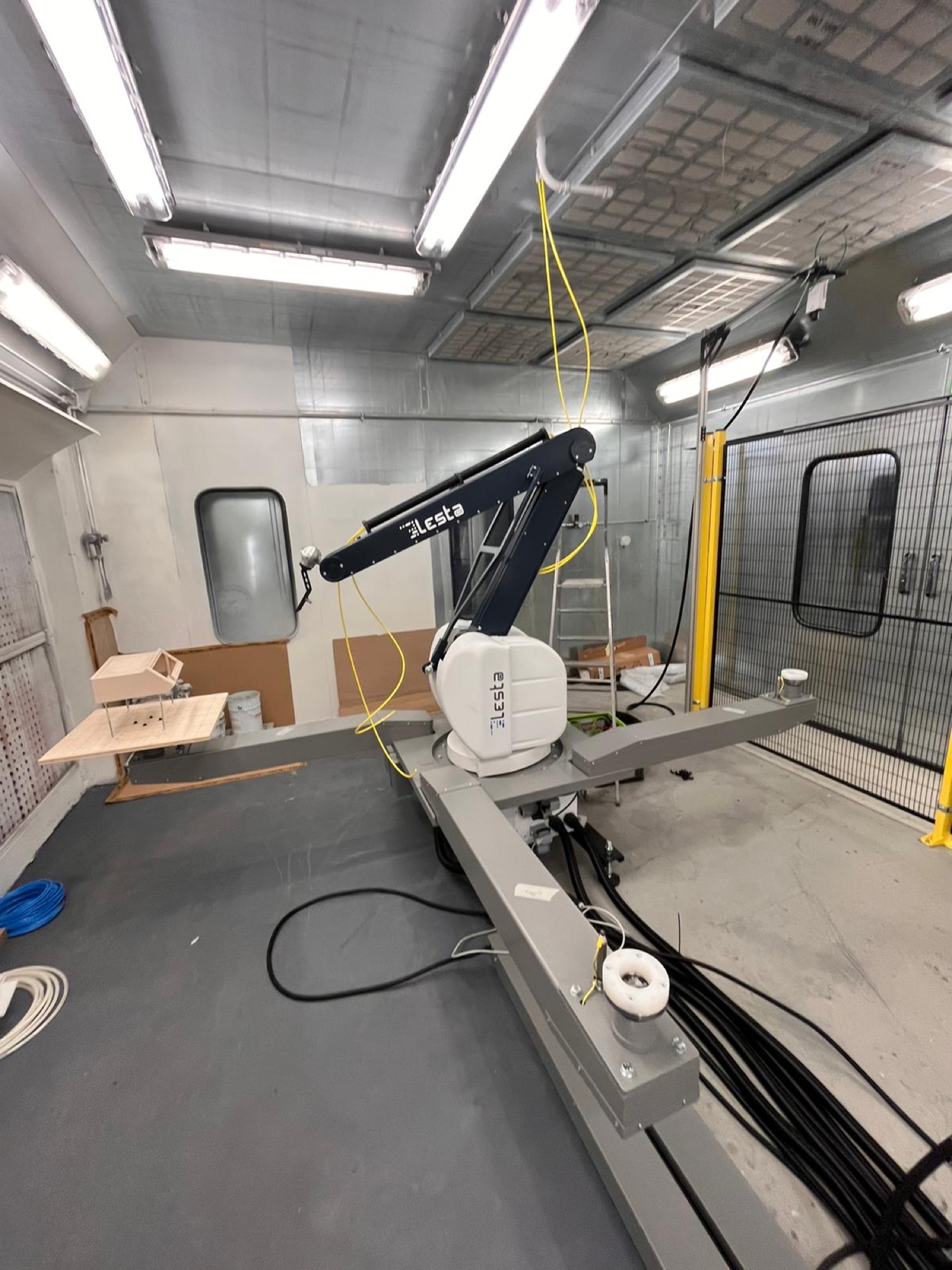
The technology existed. But robots cost hundreds of thousands of euros. The small companies that needed them most couldn't touch them. So I built a different door. Robot-as-a-Service. A subscription. Cheaper than an employee. All risks included. Doesn't work? Send it back.
I sold ten before the week was over.
Within four years, Robonnement accumulated over €25 million in revenue. We raised €15 million. Installed more than two hundred robots across Switzerland, Germany, and Austria. Our clients include Porsche, CERN, the United Nations, and Schneider Electric.
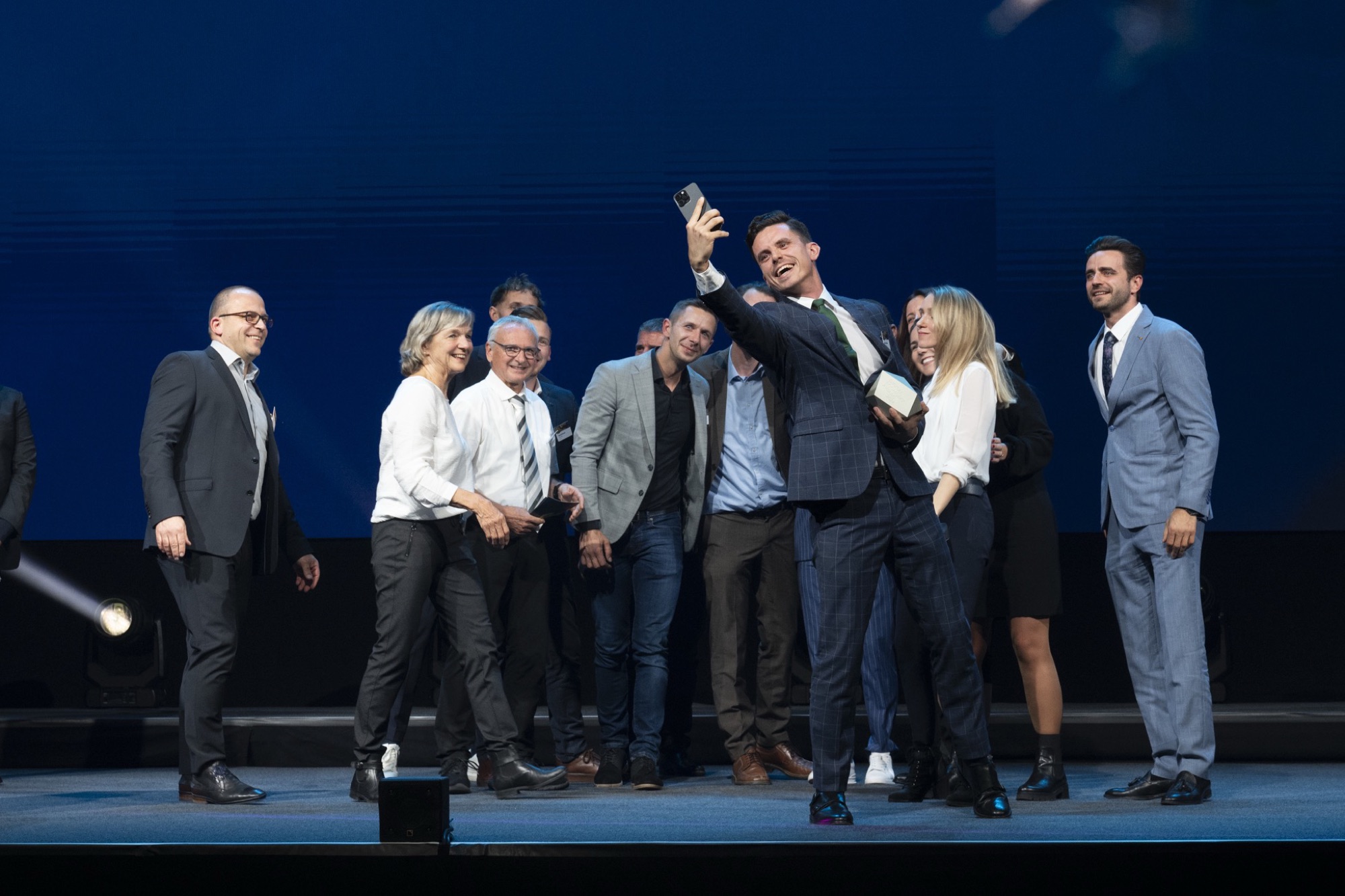
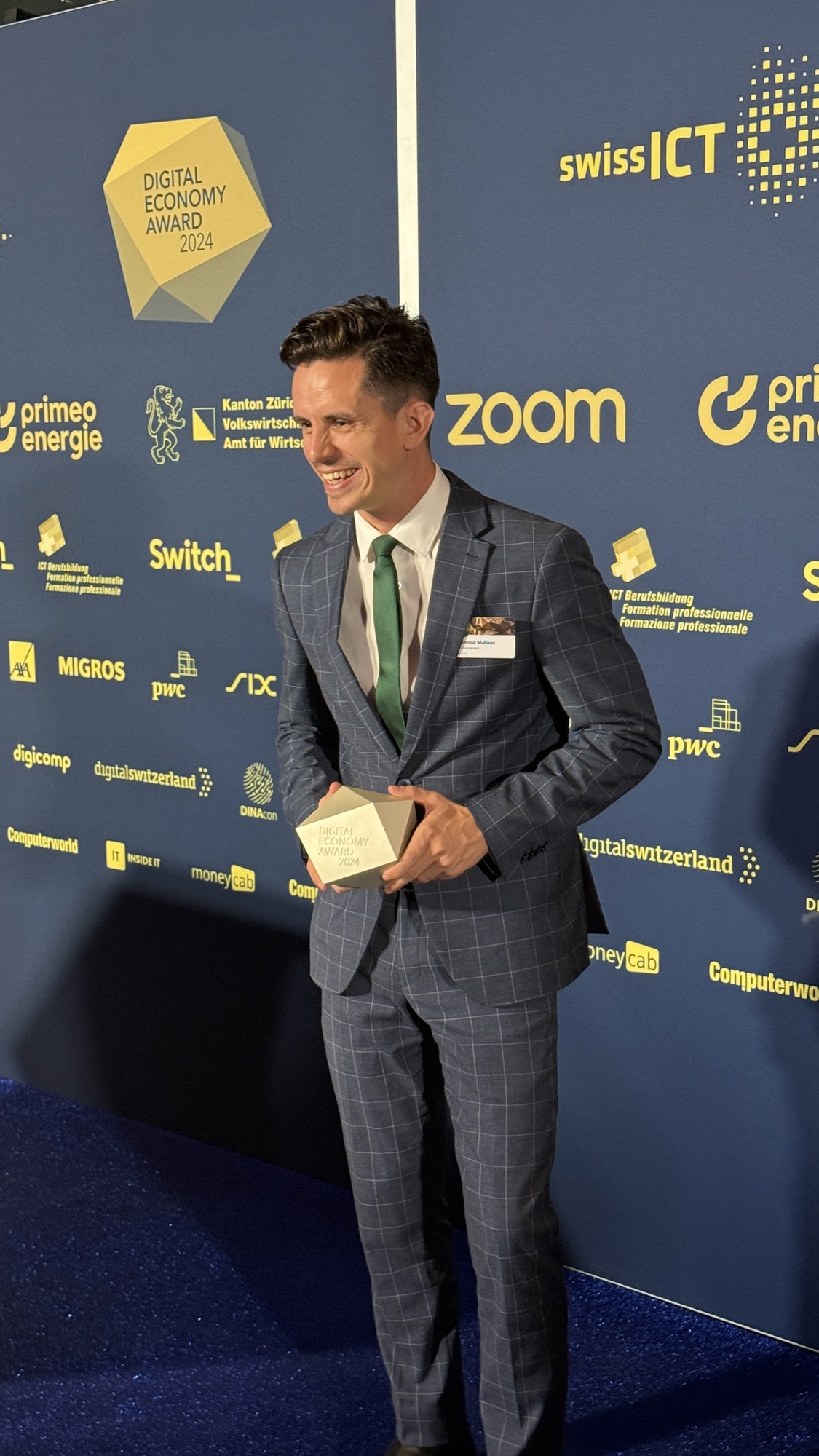
The fridge door is empty now. The logo isn't needed anymore.